

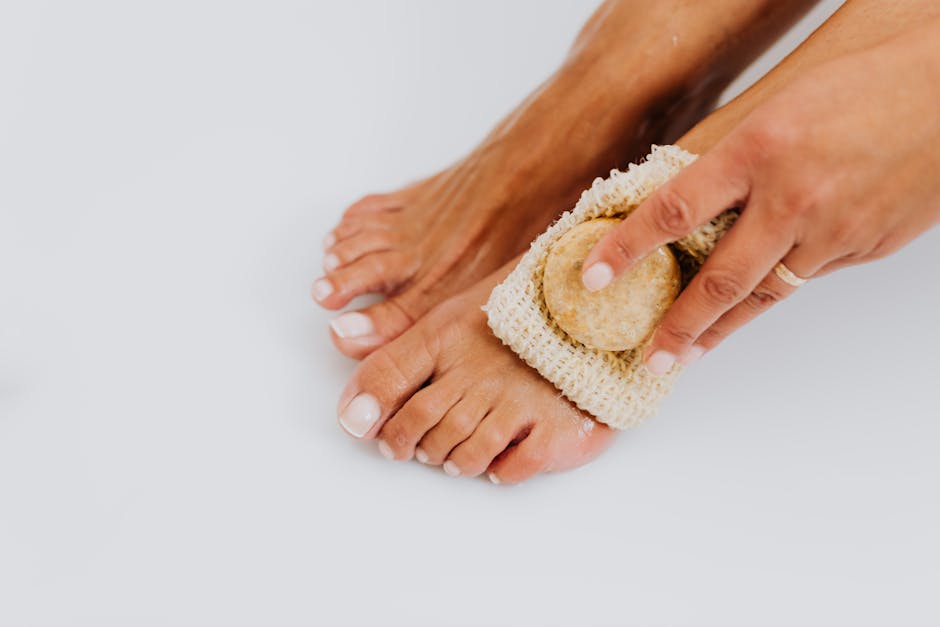
Rough heels are one of the most common skin complaints, and they rarely have a single cause. Long hours on hard floors, open-backed shoes, hot showers, and dry indoor air all chip away at the skin’s moisture, leaving the heel edges thick, flaky, and prone to splitting. The team at A Better Body, based in Cottage Grove, WI, notes that an effective foot scrub follows a simple sequence: warm towels first, an exfoliating sugar scrub next, and a moisturizing cream to finish, leaving feet feeling fresh and smooth. That order reflects how rough heels respond best to care.
Why Heels Become Dry and Rough
Unlike most areas of the body, the soles of the feet have no oil glands, so the skin there depends on outside moisture and regular care to stay supple. When it loses water, the outer layer stiffens and thickens as a form of protection. Dermatologists point to cold, dry weather, walking barefoot, and long, hot showers as common reasons heels become dry and cracked.
Footwear plays a large part as well. Sandals and open-backed shoes allow the fat pad under the heel to spread sideways with each step, stretching the skin and encouraging calluses along the rim. Because the heel carries the body’s weight, stiff skin is more likely to split under that pressure. Left alone, dead cells accumulate into a hard, yellowish layer that moisturizer struggles to penetrate.
How Sugar Works as an Exfoliant
Sugar is a physical exfoliant, meaning its granules manually loosen dead skin as they are massaged in. What sets it apart from coarser options is that its crystals are smaller than salt and gradually dissolve with water, so the scrubbing action softens as it goes. That makes sugar less likely to leave tiny scratches on skin that is already dry or irritated.
Sugar is also a humectant, a substance that draws moisture toward the skin, and it tends to strip fewer natural oils than harsher scrubs. For rough heels, that combination matters, since the goal is to remove buildup without leaving the skin drier than before. Both white and brown sugar work well, though brown sugar has a slightly softer texture that many people prefer for sensitive skin.
Pairing Exfoliation With Moisture
Exfoliation on its own solves only half the problem. Once the dead layer is gone, the fresher skin underneath needs protection. Applying a thick cream or balm immediately after scrubbing, while the skin is still slightly damp, helps seal in water. Ingredients such as urea, lactic acid, and shea butter are commonly recommended for very dry feet.
Warmth helps too. Wrapping the feet in a warm towel before scrubbing softens hardened skin, making it easier to buff away with gentle pressure rather than force. Afterward, patting the feet dry instead of rubbing them helps prevent irritation.
How Often to Scrub and When to Hold Back
More is not better. For most people, exfoliating the feet once or twice a week is enough, while scrubbing daily can thin the skin and trigger more dryness. Gentle, circular motions work better than aggressive rubbing, with extra attention on the heels and balls of the feet.
Some situations call for caution. Deep cracks that bleed, open sores, or signs of infection should not be scrubbed. People with diabetes or circulation problems should speak with a healthcare provider before using any exfoliating product on their feet, since small injuries can heal slowly and lead to complications.
Habits That Keep Heels Smooth Between Scrubs
Daily habits support what a weekly scrub accomplishes. Keeping showers short and lukewarm, wearing breathable socks, and moisturizing the feet every night all slow the return of rough skin. Choosing well-fitting, closed-back shoes reduces pressure on the heel rim, and a humidifier can offset dry indoor air during the colder months.
A Better Body draws a useful line between rough buildup, which responds well to exfoliation such as a sugar foot scrub, and skin that is already dry or cracked, which calls for hydrating care. Matching the approach to the condition of the heel tends to work better than a one-size-fits-all routine.
A Better Body
kaitlin@madisonbetterbody.com
+16086403646
6515 Grand Teton Plaza, Suite 145,
Madison
WI
53719
United States